Peruvian Specialty Coffee: Best Growing Regions, Arabica Varieties and Flavor Profiles
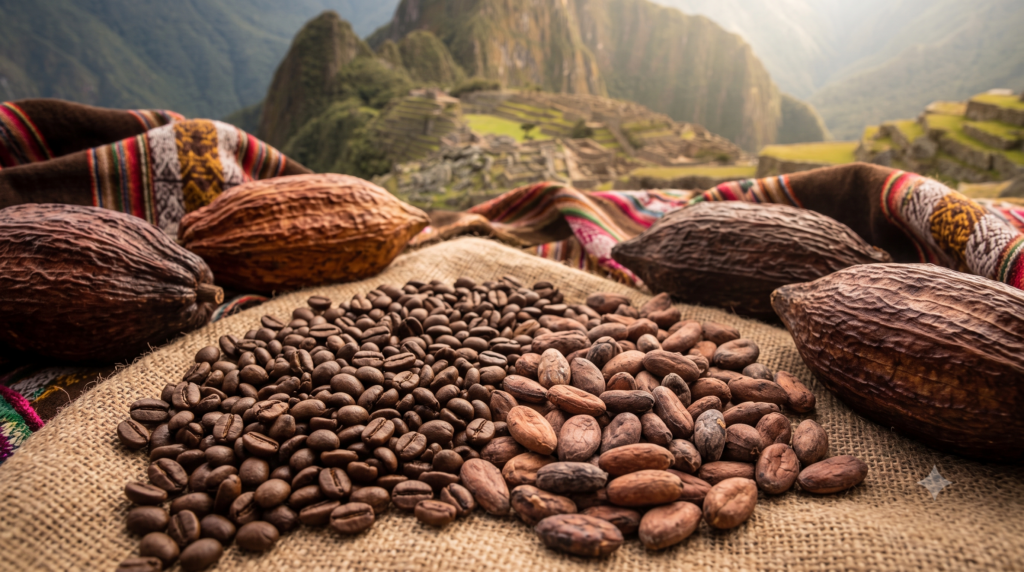
Discover the finest coffee-growing regions in Peru, explore distinctive Arabica varieties and learn what makes Peruvian specialty coffee an attractive origin for international roasters, importers and premium coffee brands. Peru is one of South America’s important coffee-producing countries, recognized for its geographical diversity, Arabica coffee cultivation and growing presence in international specialty coffee markets. From the mountains of Cajamarca to the tropical valleys of Cusco and the highland coffee-growing areas of Puno, Peruvian specialty coffee offers a remarkable diversity of origins, varieties and potential flavor profiles. For coffee importers, specialty roasters, distributors and coffee shop owners in the United States, Europe and Asia, understanding the characteristics of Peruvian coffee is essential to selecting beans that meet specific sensory and commercial requirements. Why Is Peruvian Specialty Coffee Gaining International Attention? Peru’s coffee sector combines generations of agricultural knowledge with diverse growing environments along the eastern Andes and upper Amazon basin. According to Peru’s Ministry of Agrarian Development and Irrigation (MIDAGRI), coffee exports reached approximately USD 1.796 billion in 2025, with products reaching 52 international markets. The United States is Peru’s leading coffee export destination, while Germany, Belgium and Canada are also important buyers. Peruvian specialty coffee offers opportunities for businesses seeking: Its appeal lies not in one universal flavor but in the differences between growing regions, varieties, processing methods and individual coffee lots. Best Coffee-Growing Regions in Peru Peru’s most recognized coffee-growing areas include Cajamarca, Amazonas, Junín, San Martín and Cusco. Other origins, including Pasco and Puno, also contribute to the country’s specialty coffee diversity. Each region offers different growing conditions, elevations and sensory possibilities. Peruvian Coffee Regions: Altitude, Varieties and Flavor Comparison Coffee-growing region Indicative coffee-growing altitude Arabica varieties found in the region Potential flavor notes Cajamarca — Jaén and San Ignacio 1,200–2,000 m Bourbon, Typica, Caturra, Catimor Chocolate, caramel, citrus, floral notes Amazonas — Rodríguez de Mendoza and surrounding areas 1,200–1,900 m Typica, Bourbon, Caturra, selected differentiated varieties Honey, red fruit, citrus, floral aromas Junín — Chanchamayo and Satipo 900–1,800 m Caturra, Bourbon, Typica, Catimor Cocoa, nuts, caramel, ripe fruit San Martín — Moyobamba and Lamas 800–1,600 m Catimor, Caturra, Pache and other Arabica varieties Chocolate, nuts, brown sugar, fruit Cusco — La Convención and Quillabamba 1,000–1,900 m Typica, Bourbon, Caturra Caramel, chocolate, citrus, stone fruit Pasco — Villa Rica and Oxapampa 1,000–1,800 m Typica, Caturra, Bourbon, Catimor Milk chocolate, nuts, citrus, caramel Puno — Sandia 1,200–2,000 m Typica, Bourbon, Caturra and other Arabica varieties Floral, citrus, honey, stone fruit Altitudes are indicative ranges rather than verified farm elevations. Varieties listed are examples, not an exhaustive inventory. Flavor descriptors represent possible cup characteristics, not guarantees for every coffee produced in each region. Buyers should verify origin, variety, altitude and tasting notes for each individual lot. 1. Cajamarca Coffee: High-Altitude Arabica from Northern Peru Cajamarca is one of Peru’s most recognized specialty coffee origins. Its coffee-growing areas include Jaén and San Ignacio, where mountainous terrain and favorable microclimates create opportunities for differentiated Arabica production. Selected specialty coffees from Cajamarca may display chocolate sweetness, caramel, citrus acidity and delicate floral notes. These characteristics can make the region attractive to specialty roasters looking for balanced espresso components or expressive single-origin filter coffees. Keywords: Cajamarca specialty coffee, Jaén coffee beans, San Ignacio Peruvian coffee. 2. Amazonas Coffee: Distinctive Specialty Coffee from Northern Peru The Amazonas region offers a diverse landscape of mountain valleys and coffee-growing communities. Areas such as Rodríguez de Mendoza are associated with Arabica cultivation and opportunities for differentiated specialty coffee. Depending on variety and processing, selected Amazonas coffees may exhibit honey-like sweetness, citrus acidity, red fruit and floral aromas. These profiles can be particularly interesting for roasters developing premium single-origin collections and seasonal coffee releases. Keywords: Amazonas Peruvian coffee, specialty coffee Amazonas Peru, Peruvian coffee microlots. 3. Junín Coffee: Chanchamayo and Satipo Coffee Origins Junín is home to Chanchamayo and Satipo, two established coffee-producing areas in central Peru. The region offers diverse production conditions, Arabica varieties and coffee processing practices. Selected coffees may exhibit cocoa, toasted nuts, caramel and balanced fruit characteristics. For commercial buyers, Junín offers opportunities to explore different coffee profiles suitable for espresso blends, filter coffee and wholesale roasting programs. Keywords: Chanchamayo coffee, Junín coffee Peru, Peruvian Arabica green coffee beans. 4. San Martín Coffee: Arabica from Peru’s Upper Amazon San Martín is an important coffee-producing region located in the northern Amazonian part of Peru. Its coffee-growing areas include Moyobamba, Lamas and surrounding production zones. Coffee from San Martín may feature chocolate, nuts, brown sugar and ripe fruit characteristics, depending on the lot and processing method. The region is relevant to international buyers evaluating Peruvian green coffee for roasting, wholesale distribution and selected specialty programs. Keywords: San Martín coffee Peru, organic Peruvian coffee beans, Peruvian green coffee suppliers. 5. Cusco Coffee: Specialty Arabica from the Andean-Amazonian Valleys Cusco is internationally recognized for its cultural heritage and is also an important agricultural region with a longstanding coffee-growing tradition. Coffee production takes place in areas such as La Convención, including the valleys surrounding Quillabamba. Selected Cusco coffees may offer caramel sweetness, chocolate, citrus and stone fruit characteristics. The region presents opportunities for specialty coffee buyers seeking traceable origins and differentiated lots from southern Peru. Keywords: Cusco specialty coffee, Quillabamba coffee, single-origin Peruvian coffee. 6. Puno Coffee: Specialty Arabica from Sandia Puno is widely known for Lake Titicaca and its Andean cultural heritage. However, the department also includes eastern mountain and tropical environments where coffee is cultivated. The province of Sandia is an important coffee-growing area, distinct from the high-altitude plateau around Lake Titicaca. Selected coffees from Sandia may offer delicate floral aromas, fruit characteristics, bright acidity and balanced sweetness. Puno coffee can be especially interesting for specialty roasters seeking differentiated origins from southern Peru. Keywords: Puno specialty coffee, Sandia coffee Peru, high-altitude Peruvian Arabica. Peruvian Arabica Coffee Varieties: Typica, Bourbon, Caturra, Pache, Catimor and Geisha The genetic diversity of Arabica coffee plays an important role in Peru’s specialty coffee sector. Different varieties offer different agronomic characteristics and sensory