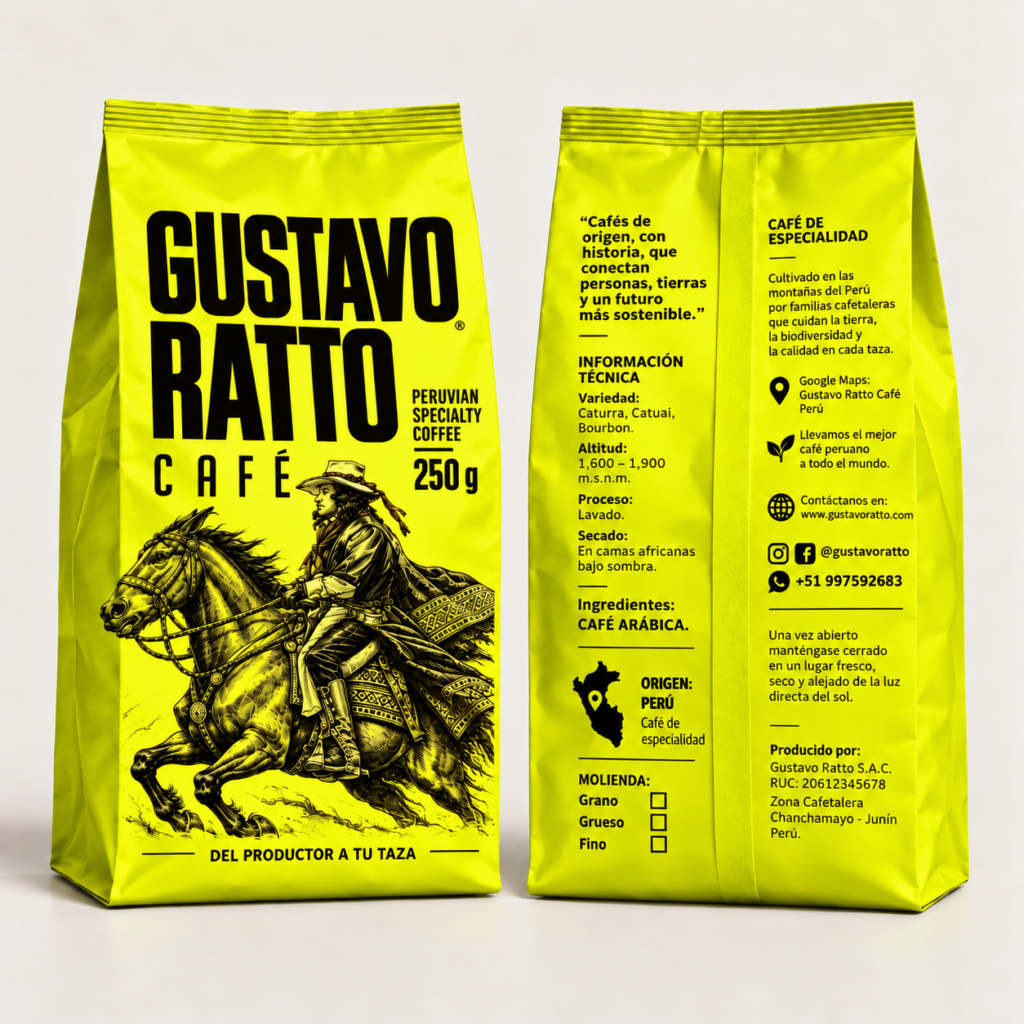
Discover the diversity of Peruvian coffee, from high-altitude Arabica varieties to specialty coffee microlots grown in the Andes and the Amazonian foothills. Explore Peru’s coffee regions, tasting notes, bean characteristics and sourcing opportunities for international buyers.
What Makes Peruvian Coffee Special?
Peruvian coffee is internationally appreciated for its Arabica varieties, diverse growing environments and distinctive sensory profiles.
Coffee cultivation extends across the eastern slopes of the Andes and the upper Amazon basin, where differences in altitude, climate, soil, variety and processing create a wide range of coffee characteristics.
Peru produces coffees suitable for specialty roasting, single-origin retail collections, premium espresso blends and international wholesale markets.
Its main coffee-producing regions include Cajamarca, Amazonas, Junín, San Martín, Cusco and Puno.
For international importers and coffee roasters, understanding the differences between Peruvian coffee varieties and origins is essential when selecting the right beans.
Main Peruvian Coffee Varieties
Peru cultivates several Arabica coffee varieties, including Typica, Bourbon, Caturra, Pache and Catimor. Selected farms also grow differentiated varieties such as Geisha (Gesha).
Each variety has distinct agronomic characteristics and sensory potential.
1. Typica Coffee
Typica is one of the historically important Arabica varieties cultivated in Peru.
It is recognized for its potential to produce elegant, balanced cups with delicate acidity and clean flavor characteristics.
Depending on origin and processing, tasting notes may include caramel, chocolate, citrus and floral aromas.
Typica is particularly interesting for specialty coffee roasters seeking traditional Arabica varieties with distinctive origin characteristics.
2. Bourbon Coffee
Bourbon is known internationally for its strong cup-quality potential, particularly under suitable high-altitude growing conditions.
Well-produced Bourbon coffees may offer pronounced sweetness, balanced acidity and tasting notes reminiscent of red fruit, caramel and chocolate.
For premium coffee brands, Bourbon can be an attractive variety for single-origin offerings and specialty roasting.
3. Caturra Coffee
Caturra is a natural mutation of Bourbon characterized by its compact plant structure.
It is cultivated in several Peruvian coffee-growing regions and can produce balanced, flavorful Arabica coffees.
Depending on the lot, buyers may encounter citrus acidity, caramel sweetness, cocoa notes and a medium body.
Caturra can be suitable for both filter coffee and espresso applications.
4. Pache Coffee
Pache is a naturally occurring mutation of Typica and is cultivated in suitable highland growing conditions.
World Coffee Research identifies elevations above 1,400 meters as recommended for this variety in Peru.
Pache coffees can display balanced sweetness, mild fruit characteristics and chocolate or nut-like notes, depending on cultivation and processing.
5. Catimor Coffee
Catimor refers to a group of coffee varieties developed from crosses involving Caturra and Timor Hybrid.
Many Catimor selections are valued for their potential resistance to coffee leaf rust and their suitability for commercial production.
Cup quality varies significantly between individual selections and growing conditions.
Carefully cultivated and processed lots may present chocolate, nutty and fruit characteristics.
6. Geisha or Gesha Coffee
Geisha is internationally associated with distinctive aromatic complexity and premium specialty coffee.
Selected Peruvian farms cultivate Geisha coffee for differentiated specialty markets.
High-quality Geisha lots may exhibit jasmine-like floral notes, citrus, bergamot and delicate tea-like characteristics.
Because Geisha production and sensory quality vary by farm and harvest, international buyers should evaluate each microlot individually.
Peruvian Coffee Growing Regions: Altitude and Tasting Notes Comparison
Peru’s geographical diversity creates different coffee-growing environments, from northern mountain valleys to high-altitude farms in the southern Andes.
The following table provides indicative growing elevations, common Arabica varieties and sensory profiles associated with important Peruvian coffee origins.
| Peruvian coffee region | Indicative altitude (meters above sea level) | Coffee varieties | Potential sensory profile | Body and acidity |
|---|---|---|---|---|
| Cajamarca — Jaén, San Ignacio | 1,400–2,000 m | Typica, Bourbon, Caturra, Catimor | Citrus, caramel, chocolate, floral notes | Medium body, medium to bright acidity |
| Amazonas — Rodríguez de Mendoza, Utcubamba | 1,200–2,100 m | Typica, Bourbon, Caturra, selected Geisha lots | Floral aromas, tropical fruit, citrus, honey | Medium body, lively acidity |
| Junín — Chanchamayo, Satipo | 1,000–1,800 m | Typica, Caturra, Bourbon, Catimor | Cocoa, nuts, caramel, subtle fruit | Medium to full body, balanced acidity |
| San Martín — Moyobamba, Lamas | 800–1,600 m | Catimor, Caturra, Pache and other Arabica varieties | Dark chocolate, roasted nuts, caramel, ripe fruit | Medium to full body, mild to medium acidity |
| Cusco — La Convención, Quillabamba | 1,200–1,900 m | Typica, Bourbon, Caturra | Honey, chocolate, stone fruit, subtle spice | Medium body, balanced acidity |
| Puno — Sandia, Tambopata Valley | 1,200–2,000 m | Typica, Caturra, Bourbon and other locally cultivated Arabica | Floral notes, citrus, stone fruit, panela-like sweetness | Light to medium body, bright acidity |
| Pasco — Villa Rica, Oxapampa | 1,000–1,800 m | Typica, Caturra, Bourbon, Catimor | Chocolate, nuts, caramel, mild citrus | Medium body, balanced acidity |
Note: Altitudes are broad, indicative ranges for coffee-producing areas, not verified elevations of individual farms. Tasting notes are illustrative sensory possibilities, not guaranteed characteristics of every lot or variety. Quality, flavor and acidity depend on terroir, plant genetics, harvest, fermentation, drying, storage and roasting. A commercial lot should be represented by its own documented production elevation and cupping report.
How Does Altitude Affect Peruvian Coffee Quality?
Altitude is an important consideration when evaluating Peruvian Arabica coffee.
In many suitable coffee-growing environments, cooler temperatures associated with higher elevations can contribute to slower cherry development and influence the chemical composition of the beans.
However, altitude alone does not determine coffee quality.
The relationship between elevation and coffee characteristics depends on latitude, temperature, rainfall, variety, soil conditions and agricultural management.
A well-managed farm at 1,400 meters may produce excellent specialty coffee, while a higher-elevation farm does not automatically guarantee superior cup quality.
For international buyers, altitude should therefore be considered alongside:
- Arabica variety and genetic characteristics.
- Harvest maturity and cherry selection.
- Fermentation and processing methods.
- Drying and storage conditions.
- Green coffee grading and defect levels.
- Sensory evaluation and consistency.
What Does Peruvian Coffee Taste Like?
Peruvian coffee is often associated with balanced sweetness, chocolate notes and moderate acidity, but its complete sensory range is much broader.
Depending on region, processing and roast development, specialty coffee from Peru can offer:
Aroma: Floral, citrus, cocoa, caramel and fruit aromas.
Flavor: Chocolate, brown sugar, honey, nuts, stone fruit and tropical fruit.
Acidity: From soft and rounded to bright, citrus-like or fruit-forward.
Body: Light and tea-like to creamy, rounded and full-bodied.
Aftertaste: Sweet, clean and persistent in well-processed lots.
For specialty roasters, these differences offer opportunities to develop differentiated products, from approachable espresso blends to distinctive filter coffee offerings.
Washed, Natural and Honey-Processed Peruvian Coffee
Coffee processing also influences the final cup.
Washed Peruvian Coffee
Washed coffee is associated with clarity of flavor, clean acidity and transparent expression of the coffee’s origin characteristics.
It is suitable for buyers seeking predictable sensory profiles and clear varietal differentiation.
Natural Process Peruvian Coffee
Natural processing involves drying coffee cherries with the fruit surrounding the seeds.
Depending on processing controls, natural coffees may express fruit-forward aromas, pronounced sweetness and fuller textures.
Honey-Processed Peruvian Coffee
Honey processing retains some fruit mucilage during drying.
The resulting coffee may develop rounded sweetness, fruit characteristics and an interesting balance between acidity and body.
All three processes require careful quality control to protect consistency and avoid undesirable fermentation defects.
Peruvian Specialty Coffee and Microlots for International Buyers
Peru offers opportunities for importers seeking traceable specialty Arabica beans and differentiated microlots.
Specialty coffee buyers commonly assess green coffee quality, sensory characteristics, origin identification and processing information.
A microlot may be differentiated by farm, variety, harvest date, processing method or a combination of these characteristics.
Coffee microlots from Peru can support:
- Specialty coffee shops and independent roasters.
- Single-origin coffee collections.
- Limited-edition coffee releases.
- Coffee subscription businesses.
- Premium hospitality programs.
- Importers sourcing differentiated Arabica coffee.
Before purchasing, buyers should request samples and confirm whether the available lot meets their required sensory and commercial specifications.
Organic Peruvian Coffee for Export
Peru is an established origin of organic Arabica coffee for international markets.
Certified organic Peruvian coffee can be relevant to importers, organic food distributors and coffee brands developing certified product portfolios.
However, organic certification applies to specific operators and products. It cannot be assumed simply from the origin or cultivation methods.
International buyers should verify certification validity and the requirements of their destination market, including the United States, European Union, Japan and other importing countries.
Peruvian Green Coffee Beans: Information for Importers and Roasters
International businesses sourcing Peruvian green coffee beans should evaluate quality and supply reliability before placing a wholesale order.
A professional coffee specification should include the following information.
| Specification | Information to request |
|---|---|
| Country of origin | Peru |
| Producing region | Cajamarca, Amazonas, Junín, Cusco, Puno or another verified origin |
| Farm or cooperative | Identified producer or supplier |
| Coffee species | Coffea arabica, where applicable |
| Variety | Verified variety or declared blend |
| Altitude | Actual farm elevation in meters above sea level |
| Processing | Washed, natural, honey or other |
| Sensory quality | Cupping report and flavor descriptors |
| Moisture | Measured value from the actual lot |
| Physical quality | Screen size, defect count and grading |
| Certification | Valid organic or other applicable certification |
| Export conditions | Quantity, packaging, Incoterms and delivery terms |
This information helps buyers compare suppliers, determine suitability for their roasting programs and reduce uncertainty in international purchasing.
Peruvian Coffee for the USA, Europe and Asia
Peruvian coffee can serve different international market segments.
United States: Specialty coffee roasters, organic coffee distributors, wholesale green coffee importers and private-label businesses.
Europe: Green coffee traders, specialty roasting companies, certified organic importers, independent cafés and hospitality distributors.
Asia: Specialty coffee businesses, single-origin roasters, premium coffee brands and importers interested in differentiated Arabica varieties and microlots.
For buyers in Japan, South Korea, China and Singapore, the most suitable coffee will depend on the requirements of each commercial segment, including sensory profile, roasting application, packaging and local import rules.
Frequently Asked Questions About Peruvian Coffee
What is Peruvian coffee?
Peruvian coffee refers to coffee cultivated in Peru, principally Arabica coffee grown across the eastern Andean slopes and adjacent tropical growing regions.
What are the main coffee varieties in Peru?
Important Arabica varieties include Typica, Bourbon, Caturra, Pache and Catimor. Selected farms also produce varieties such as Geisha.
Which region produces the best Peruvian coffee?
Cajamarca, Amazonas, Junín, Cusco, San Martín, Pasco and Puno all offer different coffee origins. The best choice depends on verified lot quality, sensory preferences and the buyer’s intended use.
Is Peruvian coffee Arabica or Robusta?
Peru’s established coffee export sector is predominantly associated with Arabica. Buyers should verify the declared species of each product.
What altitude is Peruvian coffee grown at?
Coffee-growing elevations vary by region and farm. Many of Peru’s specialty Arabica origins are located between approximately 1,200 and 2,000 meters above sea level, although production also occurs outside that range.
What are the tasting notes of Peruvian coffee?
Depending on its origin and processing, Peruvian coffee may exhibit chocolate, caramel, nuts, citrus, floral or fruit characteristics.
Can I import Peruvian specialty coffee in bulk?
Yes. Peruvian coffee is available through qualified producers, cooperatives, exporters and international trading companies. Actual product availability, specifications and minimum order quantities must be confirmed with the supplier.
Where can I find a Peruvian specialty coffee exporter?
International buyers can explore registered Peruvian coffee exporters, producer cooperatives and companies specializing in agricultural exports. Before purchasing, request current product specifications, export credentials, representative samples and commercial terms.
Discover Peru’s Coffee Diversity with MGK Export
At MGK Export, our focus is to connect international buyers with information and business opportunities related to Peruvian agricultural products, including specialty coffee.
From the high-altitude Arabica origins of Cajamarca and Amazonas to the distinctive coffee-growing valleys of Cusco and Puno, Peru offers a diverse portfolio of coffee origins worth exploring.
We welcome inquiries from importers, distributors, specialty coffee roasters, coffee shops, hotels and international businesses interested in Peruvian coffee sourcing.
Interested in sourcing Peruvian specialty coffee? Contact MGK Export to discuss your product requirements, preferred origins, coffee varieties and potential sourcing opportunities in Peru.